Vale Foundation announces new Education and Health initiatives in Mangaratiba


In December, the Networked Territories Project and the Social Protection Health Cycle completed new initiatives in the municipality of Mangaratiba, reinforcing efforts to strengthen the integration of public policies and improve the quality of service provided to the population.
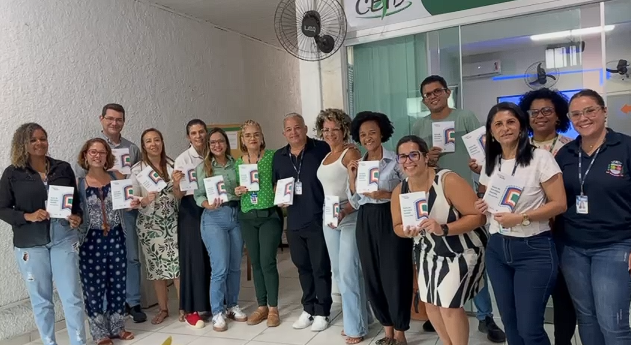
On the 9th, during the final meeting of the Intersectoral Management Committee, a pillar of the Networked Territories Project, the Social Services Guide was released. Resulting from extensive coordination between various sectors, the guide informs families on how to access rights, services, and facilities within the territory. Beyond directly benefiting the population, the guide serves as a practical reference for social protection professionals to use and distribute across their areas of operation.
Vanda Teixeira Santos, a community leader from the Coroa Grande neighborhood, received the guide and highlighted its significance for residents. For her, the content goes beyond practical guidance, representing a gesture of care and reception. She noted: “Many families don’t know how services work or get confused by so much information. With the Guide, everything is clearer. It facilitates access by bringing people closer to services, reducing anxiety and the feeling of helplessness. The material conveys the message that there is a place of care.”
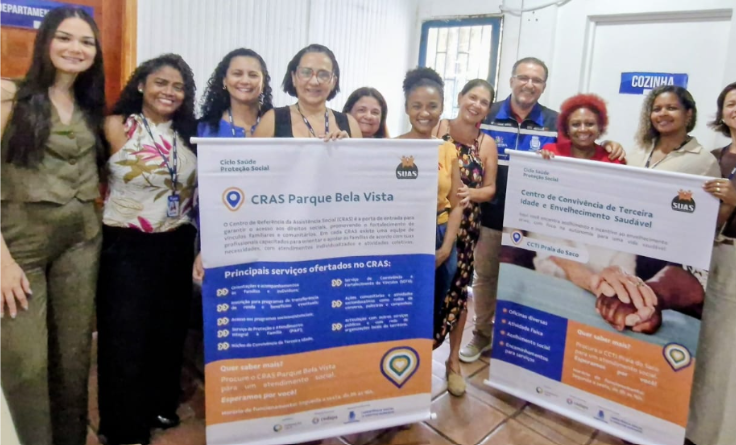
On December 11, under the Social Protection Health Cycle, the Municipal Health Department received an Immunobiological Conservation Chamber, equipment essential for ensuring the safety and efficacy of vaccines used in immunization campaigns. On the same date, 12 informative banners were delivered detailing the services offered by the Social Assistance Reference Centers (Centros de Referência de Assistência Social, CRAS). This aims to expand public knowledge of available programs and help dismantle the perception that CRAS is limited to the Family Allowance (Bolsa Família) Program.
The Social Protection Health Cycle also produced the Territory Recognition Guide, designed to support Family Health Strategy teams in conducting territorial studies and redefining coverage areas. Using a participatory, evidence-based approach, the guide encourages the use of georeferencing tools, contributing to more precise planning and strengthening the daily operations of the teams.
Concurrently, Vale Foundation completed significant initiatives to enhance public services in the municipality of Itaguaí. Notable among these is the Mental Health and Intersectorality Resource Guide, developed to support Health and Social Assistance professionals, expand knowledge of the service network, and promote integrated action within the territory. The Foundation also delivered the Networked Territory Service Guide, which compiles information on available municipal services, including addresses, contacts, and specialized care. This public utility material was distributed to the City Hall, the Departments of Health and Education, and local families.
Notícias relacionadas
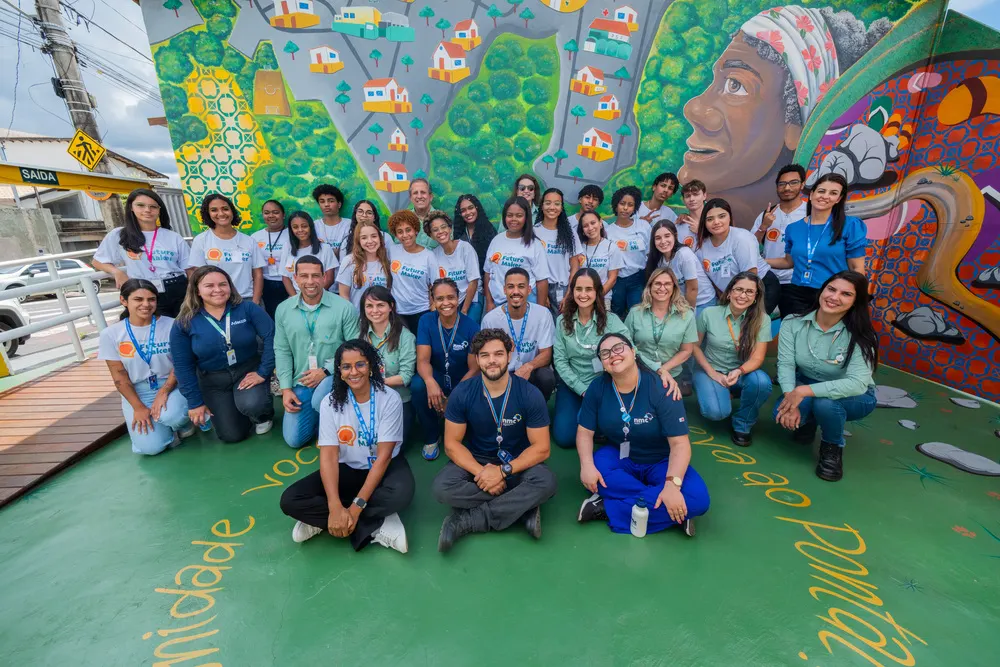
Students from the Futuro Maker project visit the Vale Service and Information Center in Itabira
know more +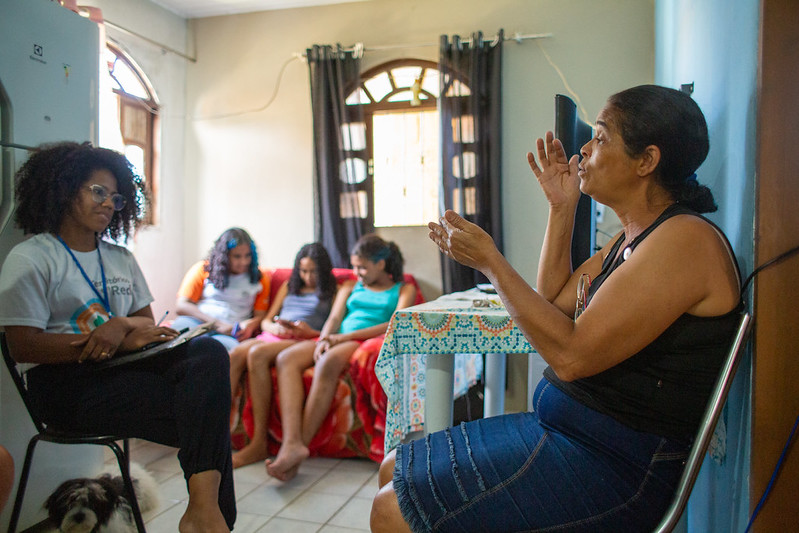
Networked Territories advance in Active Search and in the inclusion of children in schools in Cariacica (ES)
know more +
Vale Foundation announces new Education and Health initiatives in Mangaratiba
know more +
Social Protection Health Cycle Hosts Intersectoral Thematic Workshops in Itaguaí and Cariacica
know more +
Games and Education: Literacy Trails promotes Mathematical Games Day in Catas Altas (MG)
know more +
Literacy Trails highlights the writing of students from Maranhão with the launch of a children’s book
know more +