Social Protection Health Cycle Holds final Project Municipal Meetings in Rio de Janeiro and Espírito Santo


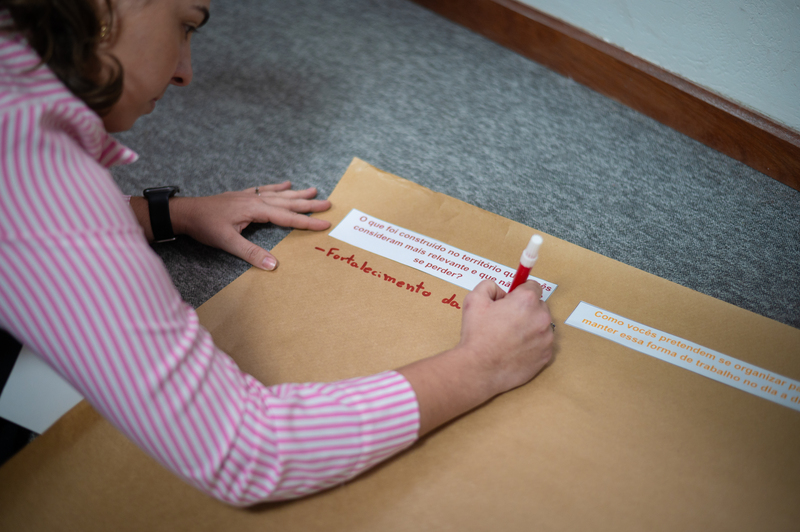
In May, the Social Protection Health Cycle held municipal meetings for the project’s final phase in the states of Espírito Santo and Rio de Janeiro. The initiative focused on strengthening intersectoral action, contributing to the bolstering of Primary Care (SUS) in articulation with Intersectoral Protection (SUAS).
Developed in partnership with municipalities, municipal health and social assistance secretariats, and the Center for Health Promotion (Cedaps), the project implemented strategic initiatives including territorial diagnostics, training paths, intersectoral workshops, practice showcases, delivery of equipment for health and social assistance units, as well as the creation of local maps and action plans.
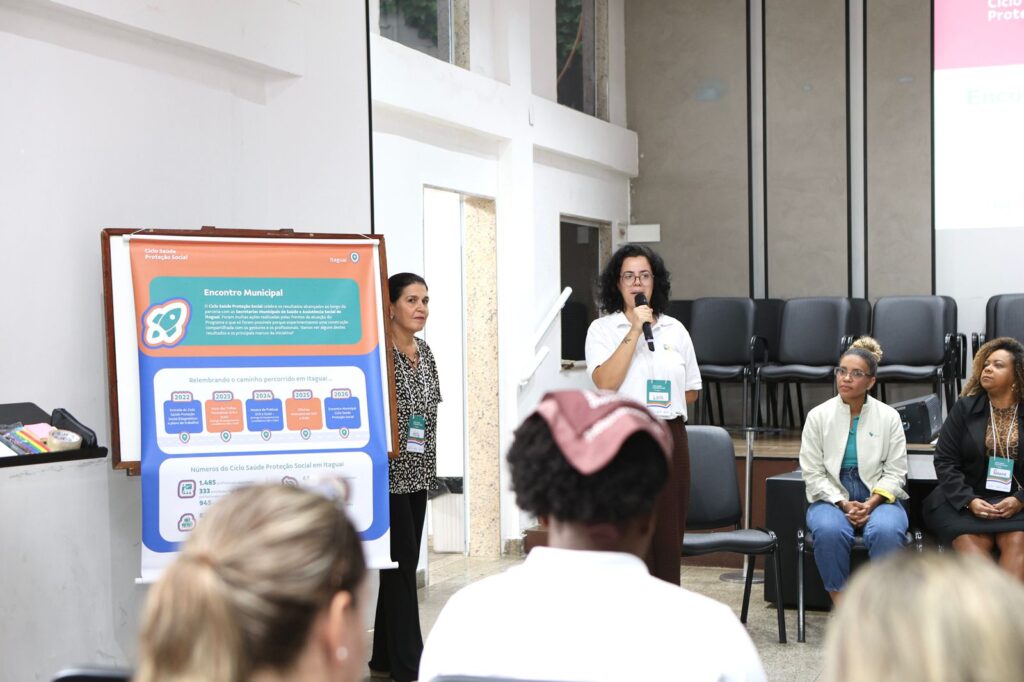
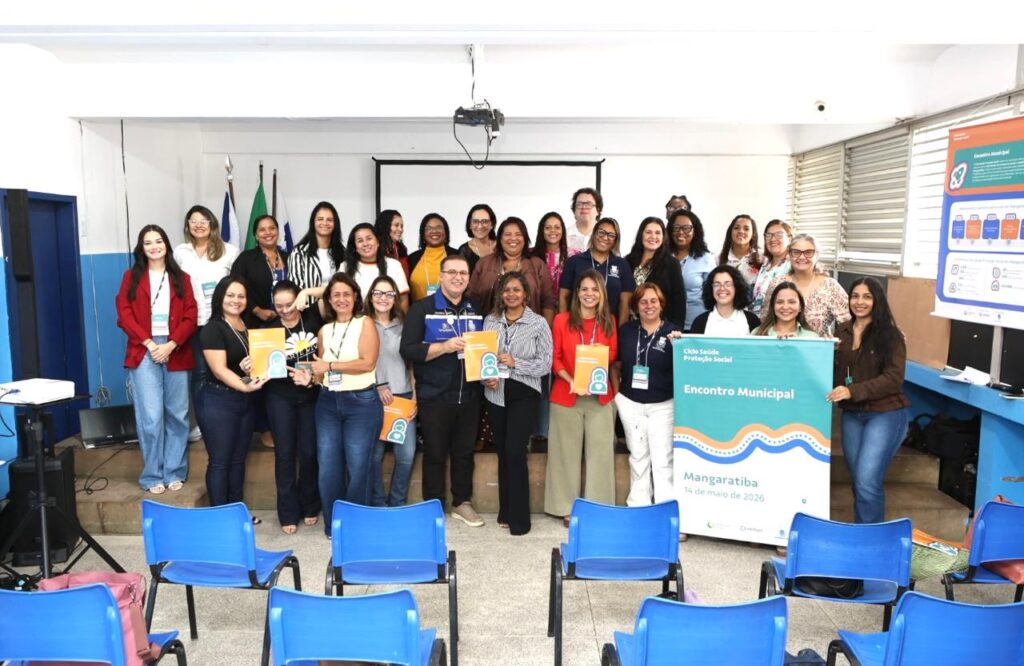
In the state of Rio de Janeiro, the project operated in the municipalities of Mangaratiba and Itaguaí, driving the strengthening of network collaboration. At the municipal meetings, the project’s results were presented, showcasing regional progress achieved over the project’s four-year duration, with 4,183 professionals trained, in addition to the donation of 1,360 pieces of equipment to enhance local units. The Health Cycle benefited more than 12,000 SUS (Unified Health System) and SUAS (Unified Social Assistance System) users. Furthermore, 757 initiatives were developed within the territory, demonstrating the consolidation of a more structured and integrated network.
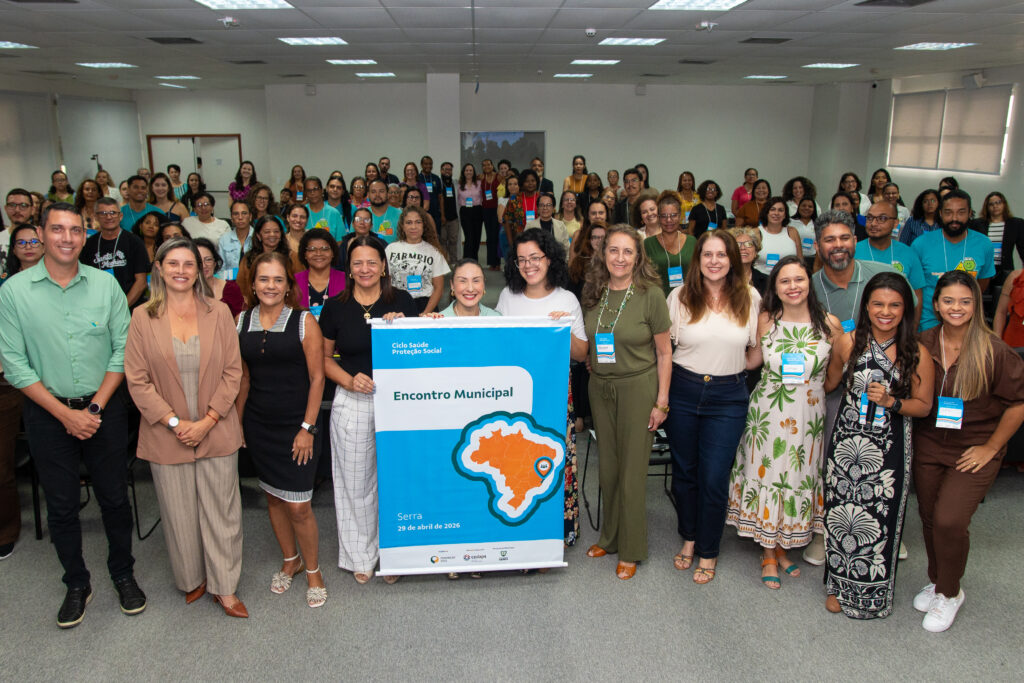
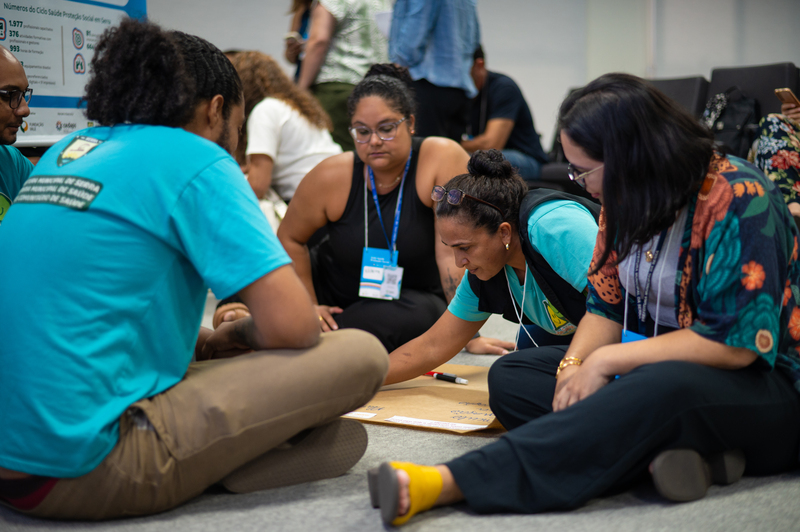
In Espírito Santo, in the municipality of Serra, the program emphasized the recognition of local practices and systematized the knowledge produced in the territories. The Municipal Meeting brought together 114 participants and promoted the exchange of experiences between SUS and SUAS professionals. As part of the actions proposed by the Social Protection Health Cycle, 30 territorial maps of the Basic Health Units’ coverage areas were delivered, along with a map for management, strengthening planning and decision-making. Another relevant point was the submission of 11 practices to Fiocruz’s IdeiaSUS platform, increasing the visibility of locally developed solutions and including the municipality in a national database of successful initiatives. Throughout its operational lifecycle, the project trained 2,222 professionals, distributed 1,313 pieces of equipment, and reached over 8,867 users.
Notícias relacionadas
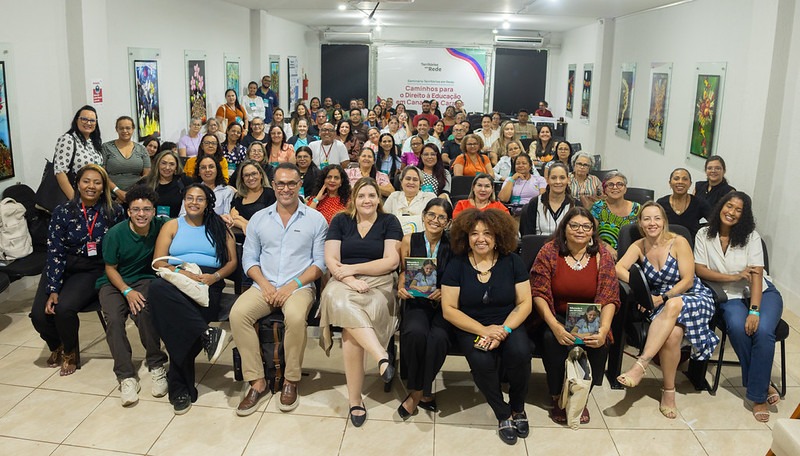
After five years of operation, Networked Territories has reintegrated 94% of children identified as having dropped out of school in Pará
know more +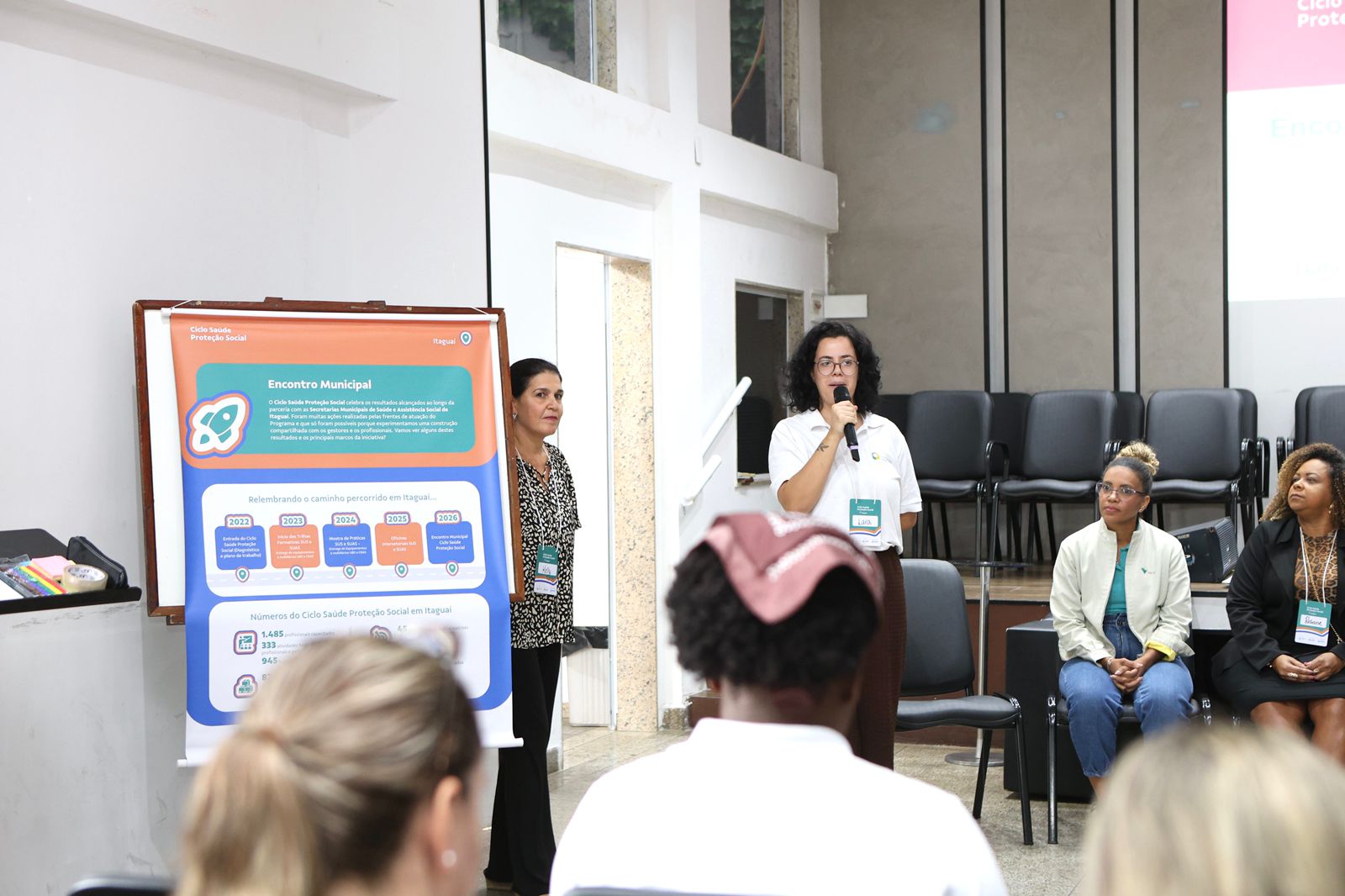
Social Protection Health Cycle Holds final Project Municipal Meetings in Rio de Janeiro and Espírito Santo
know more +
The methodology used in the Networked Territories project is a finalist for the Banco do Brasil Foundation Award for Social Technology
know more +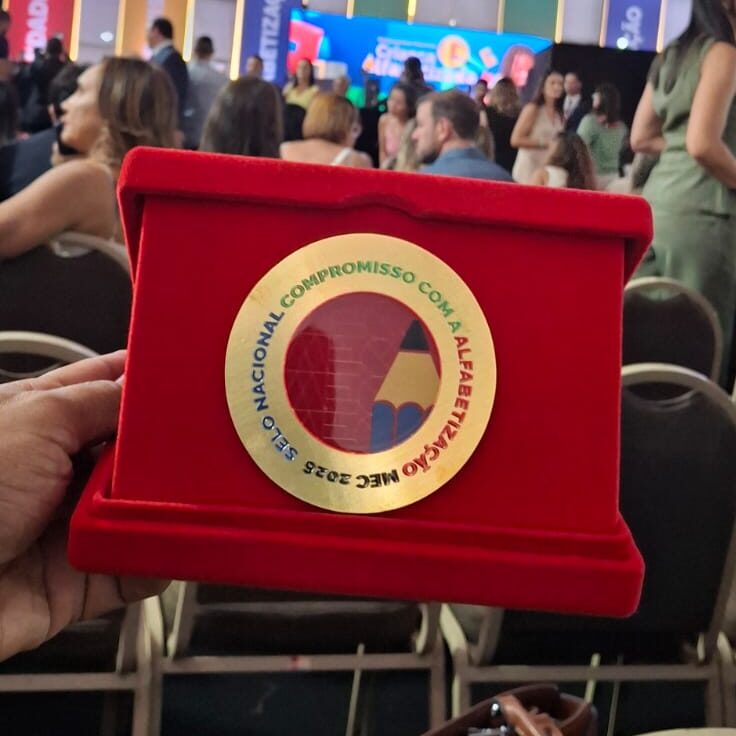
The Literacy Trails Project has municipalities recognized with the National Commitment to Literacy Seal.
know more +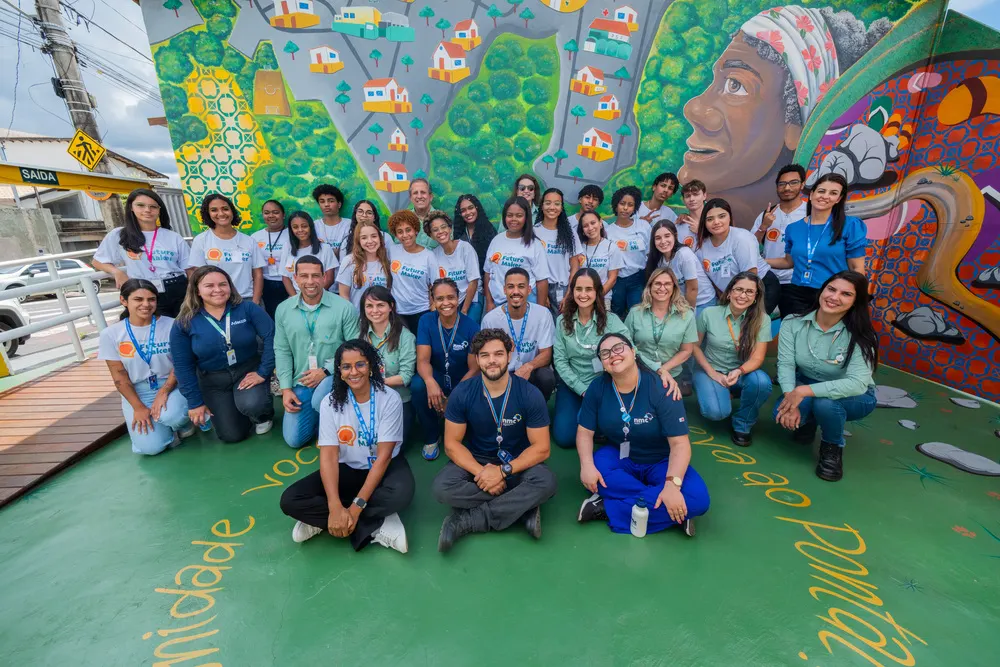
Students from the Futuro Maker project visit the Vale Service and Information Center in Itabira
know more +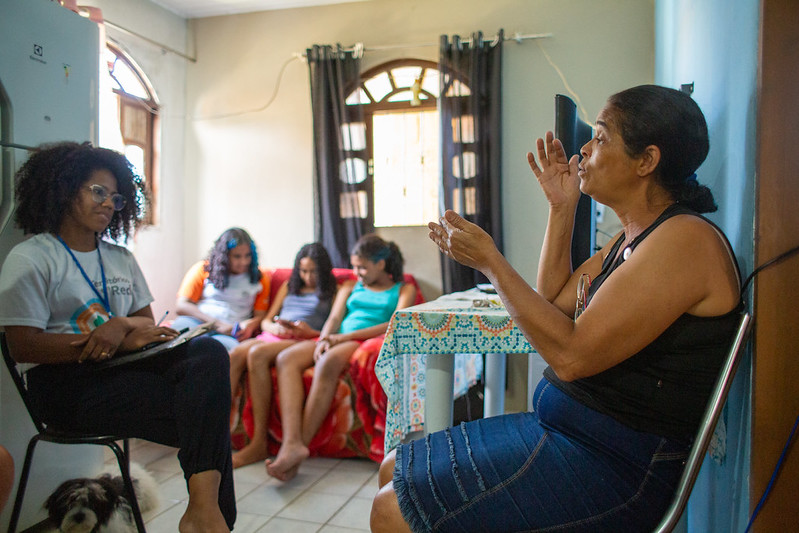
Networked Territories advance in Active Search and in the inclusion of children in schools in Cariacica (ES)
know more +