After five years of operation, Networked Territories has reintegrated 94% of children identified as having dropped out of school in Pará


Launched in 2021 in Pará, the Networked Territories project concluded its activities in the state with 94% of the children identified by the Active Search back in school, in addition to contributing to the formulation of public policies. An initiative of Vale Foundation in partnership with the Cidade Escola Aprendiz Association, Municipal Secretariats, and co-investments from Wheaton Precious Metals, Komatsu, and Keda, the project combined active school search, social mobilization for the right to education, family support, and intersectoral coordination to identify and reintegrate students who were out of school or at risk of dropping out.
Over five years of operation, the project worked in seven municipalities in Pará, identified 8,132 children out of school, reintegrated 7,607 into the educational system, and mapped the main reasons for school exclusion in the region. In its concluding stage, it sought to support public managers in adopting methodologies and structures that will ensure the continuity of the actions developed, in addition to contributing to the formulation of public policies to combat school exclusion in the participating municipalities.
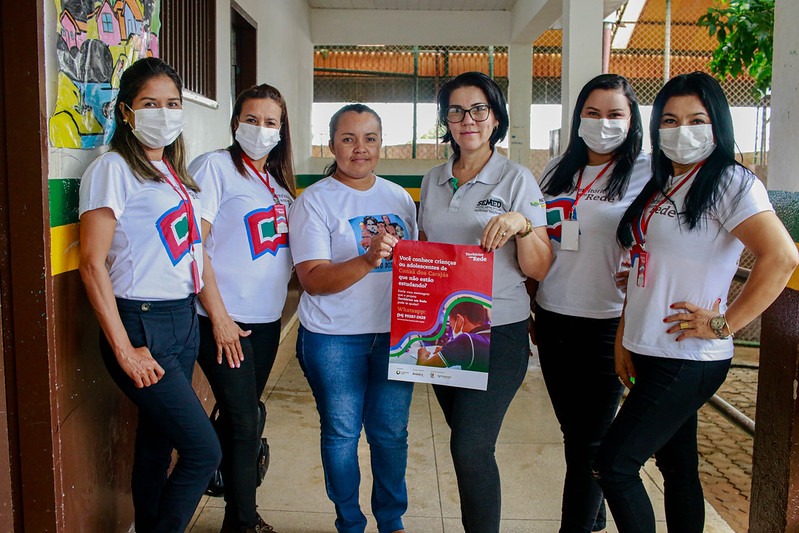
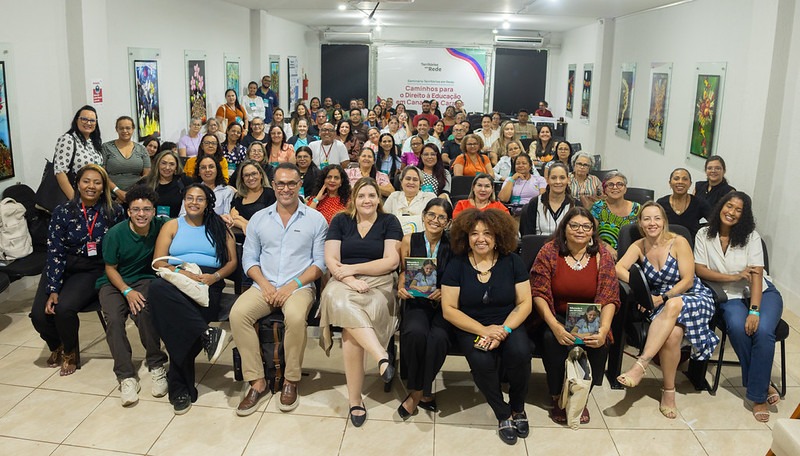
In Eldorado do Carajás, active search has become part of the municipality’s Annual Budget Law. In Ourilândia do Norte, Law No. 939/2025 was approved, establishing the Municipal Policy for the Prevention and Confrontation of School Exclusion of Basic Education. During its work in Pará, the project performed 76,487 follow-ups and 47,594 home visits in Bom Jesus do Tocantins, Marabá, Eldorado do Carajás, Canaã dos Carajás, Parauapebas, Tucumã, and Ourilândia do Norte.
Since 2020, the project has been present in 19 municipalities in the states of Pará, Minas Gerais, Espírito Santo, and Rio de Janeiro. Now, it has concluded its activities in most of the participating states. Throughout this period, more than 21,000 children and adolescents were identified as out of school, of which more than 92% returned to classrooms or resumed school attendance.
Notícias relacionadas
After five years of operation, Networked Territories has reintegrated 94% of children identified as having dropped out of school in Pará
know more +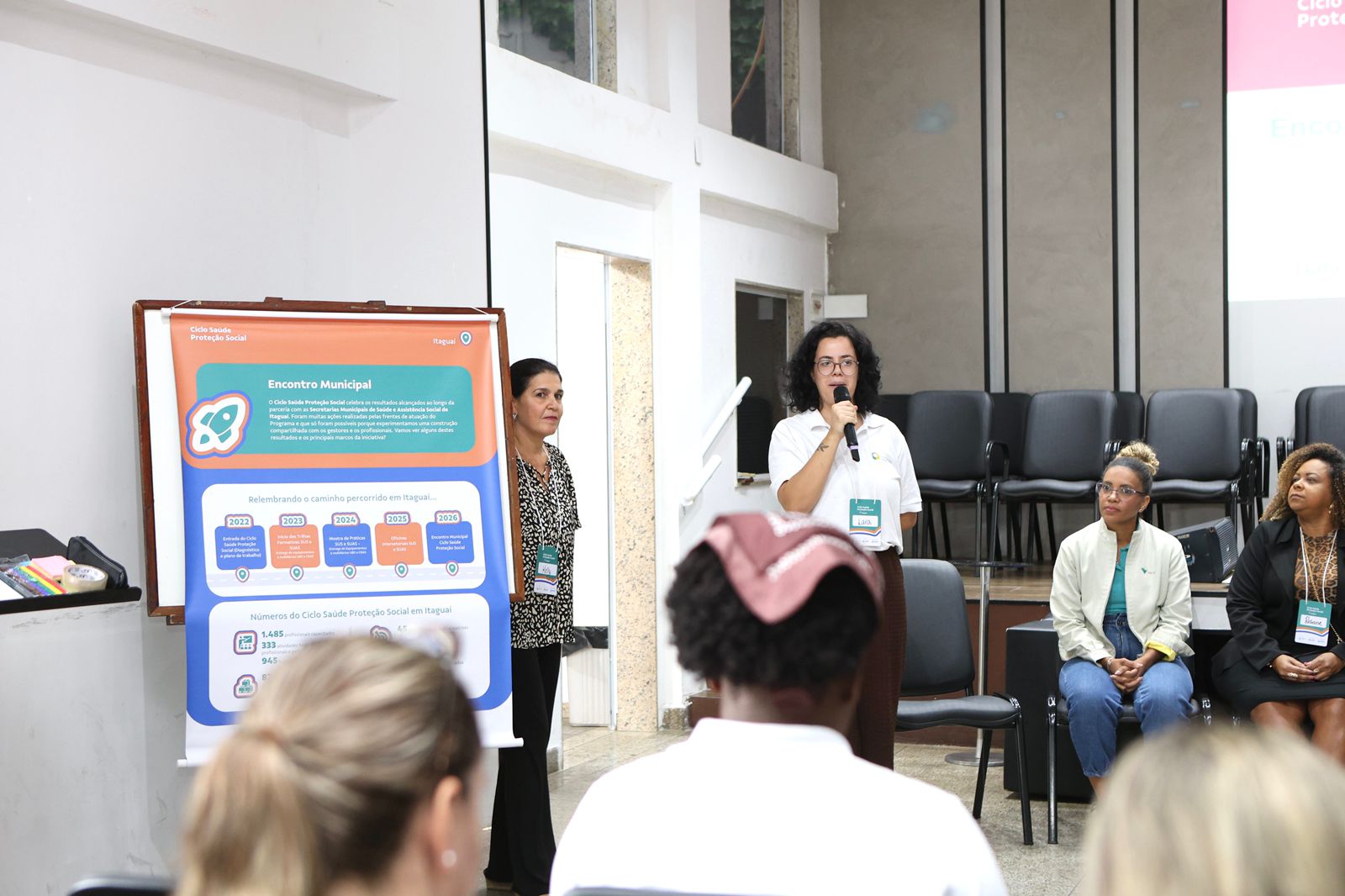
Social Protection Health Cycle Holds final Project Municipal Meetings in Rio de Janeiro and Espírito Santo
know more +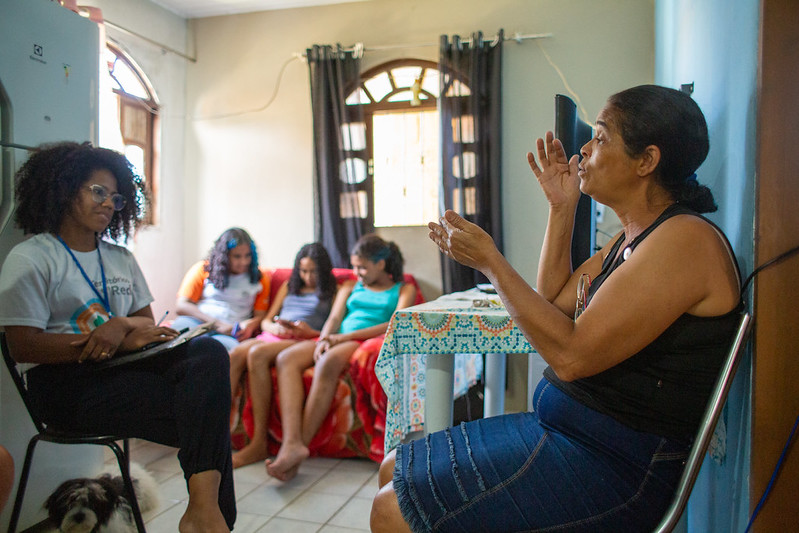
The methodology used in the Networked Territories project is a finalist for the Banco do Brasil Foundation Award for Social Technology
know more +
The Literacy Trails Project has municipalities recognized with the National Commitment to Literacy Seal.
know more +
Students from the Futuro Maker project visit the Vale Service and Information Center in Itabira
know more +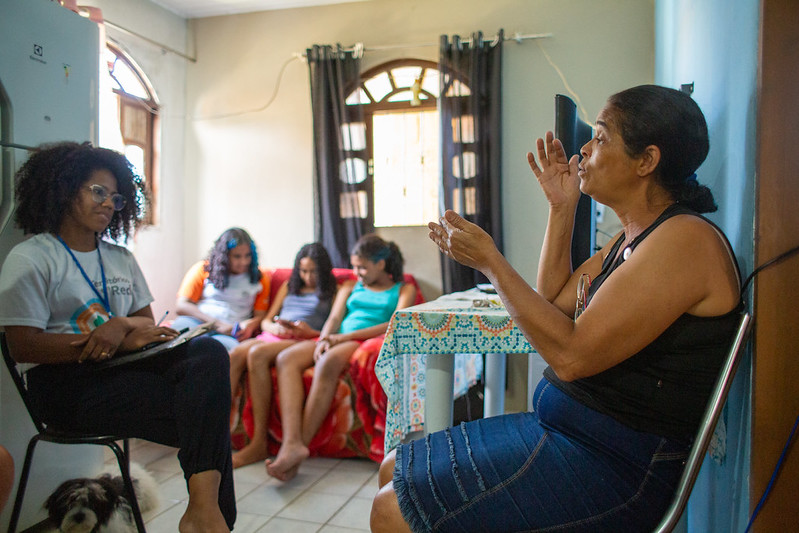
Networked Territories advance in Active Search and in the inclusion of children in schools in Cariacica (ES)
know more +